Running Dry: How Cities Around the World Are Responding to Water Scarcity
Growing populations, aging pipes and shifting rainfall are straining urban water supplies. Cities from southern Africa to the American Southwest are testing new ways to stretch every drop.

Water scarcity was once considered a problem mainly for arid rural regions. Today it is increasingly an urban challenge. More than half of the world's population lives in cities, and many of those cities draw on rivers, reservoirs and aquifers that are under growing pressure.
The reasons vary from place to place, but a few common threads run through them: rapid population growth, more variable rainfall, aging infrastructure that leaks, and competition with agriculture and industry for the same sources. The result is that city leaders on several continents are rethinking how water is collected, used and reused.
Why Urban Supplies Are Under Strain
A city's water security depends on both supply and demand. On the supply side, droughts that last longer or occur more often can leave reservoirs well below normal levels. Groundwater, which many cities rely on as a backup, is being pumped faster than it can recharge in places such as parts of South Asia, the Middle East and the western United States.
On the demand side, expanding suburbs, new industries and rising living standards all increase consumption. Meanwhile, many older distribution networks lose a significant share of treated water through leaks before it ever reaches a tap. Engineers often call this "non-revenue water," and in some cities it accounts for a large portion of total production.
Lessons From Cities That Came Close
Several cities have faced moments when officials warned that taps could run dry. Cape Town in South Africa drew global attention during a severe drought in the late 2010s, when residents were asked to cut daily use to very low levels. São Paulo in Brazil and Chennai in India have also endured serious shortages in recent years.
These experiences offered hard-earned lessons. Public communication proved essential: clear daily targets, visible dashboards of reservoir levels and consistent messaging helped residents change habits quickly. Tiered pricing, where heavy users pay more per unit, encouraged conservation without cutting off basic access.
People will make remarkable changes if they understand exactly what is being asked and why. Confusion is what undermines cooperation.
A municipal water planner who has advised several coastal cities
The Toolkit for Stretching Supplies
There is no single fix for urban water scarcity, but cities are combining a range of approaches:
- Fixing leaks through pressure management, acoustic sensors and pipe replacement programs.
- Water recycling, treating wastewater to a high standard for irrigation, industry or, in some places, drinking supplies. Singapore and parts of California have invested heavily in this.
- Desalination, turning seawater into drinking water. It is reliable but energy-intensive and expensive, and it produces brine that must be managed carefully.
- Stormwater capture, using parks, permeable pavements and storage basins to collect rain that would otherwise run off.
- Efficiency standards for toilets, showerheads, washing machines and landscaping.
Each option comes with trade-offs. Desalination plants can secure supplies against drought but raise energy demand. Recycled water faces public skepticism in some communities, even when it meets strict quality standards. Leak repair is cost-effective but slow and disruptive to streets.
Nature as Infrastructure
A growing number of cities are also looking upstream. Protecting forests and wetlands in watersheds can improve water quality and regulate flows, reducing the need for costly treatment. New York City's long-standing watershed protection program is often cited as an example of how conserving land can be cheaper than building filtration plants.
In dense urban areas, "sponge city" concepts, popularized in China, aim to let neighborhoods absorb rainfall through green roofs, rain gardens and restored waterways. These designs can reduce flooding during heavy storms while replenishing groundwater during dry spells.
What Residents Can Do
Household choices cannot solve a regional shortage alone, but they make a measurable difference when multiplied across a city. Practical steps include:
- Checking for and repairing leaking taps and running toilets.
- Choosing water-efficient appliances when replacing old ones.
- Watering gardens in the early morning or evening to reduce evaporation.
- Planting drought-tolerant, locally suited vegetation.
- Following local restrictions and staying informed about reservoir levels.
Looking Ahead
Experts generally agree that the cities best prepared for future droughts will be those that diversify their sources, invest steadily in maintenance and keep residents informed. Water scarcity is rarely solved by a single dramatic project. More often, it is managed through dozens of modest, sustained efforts that together keep the taps running.
This article is for general information only and reflects reporting at the time of publication. Spotted an error? See our Corrections Policy or contact the newsroom.
Eleanor Hayes
Eleanor Hayes leads the Meridian Daily newsroom. Over two decades she has reported from more than thirty countries as a foreign correspondent and wire-service editor, with a focus on migration, trade and climate adaptation. She oversees our editorial standards and corrections process.
Related Stories
More World →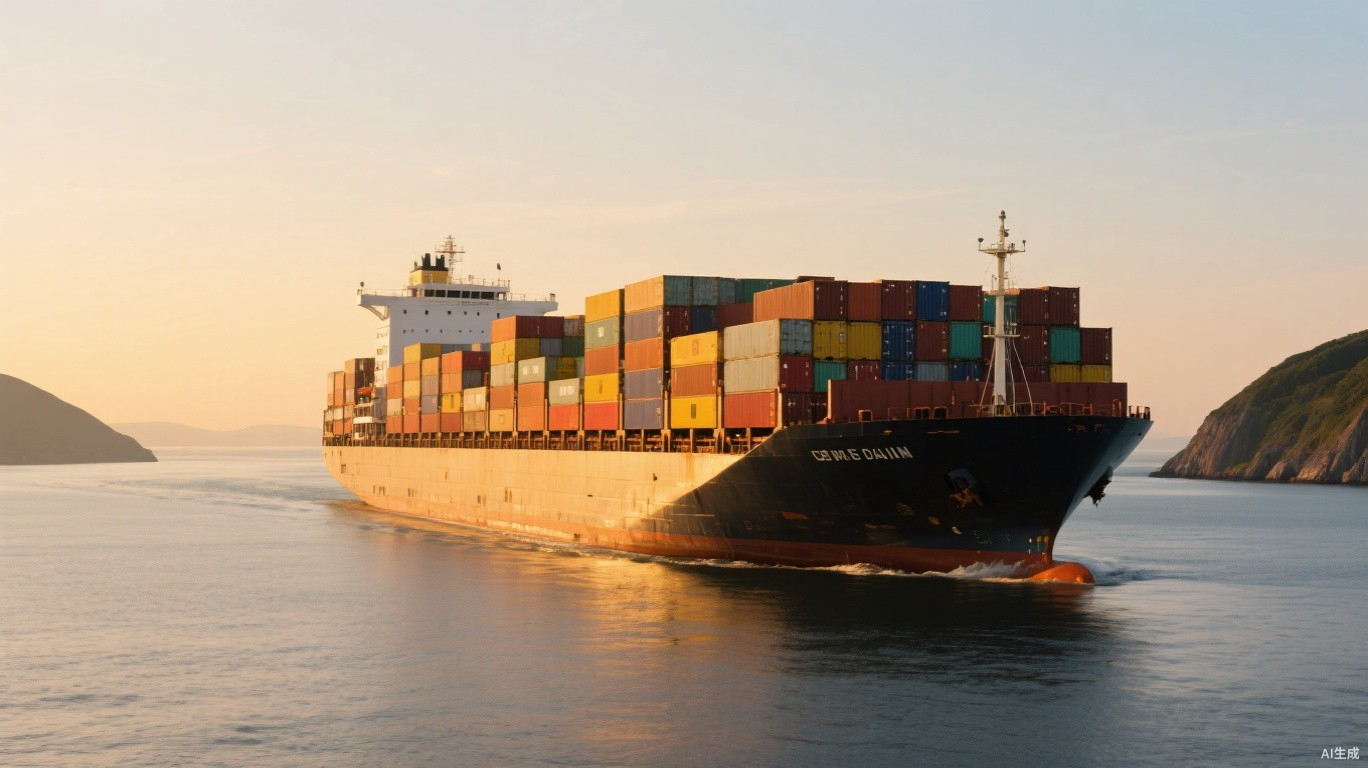 World
How Global Shipping Routes Shape What You Pay at the Checkout
From narrow straits to congested ports, the paths container ships take ripple through to store shelves. Here is how ocean freight works and why its costs reach households.
 World
Sleeping Their Way Across a Continent: The Return of Europe’s Night Trains
After decades of decline, overnight rail services are expanding again in Europe. Travelers are drawn by comfort and lower emissions, but operators still face tough economics.
 World
Holding the Line: How Small Island Nations Are Adapting to Rising Seas
For low-lying island states in the Pacific, Indian Ocean and Caribbean, sea-level rise is a present-day planning challenge. Their responses blend engineering, nature and diplomacy.